
Choosing the right comforter isn’t just about comfort, it directly affects how well I sleep every night. In this guide, I share the key steps for how to choose a comforter, from understanding fill types and warmth levels (GSM and fill power) to picking breathable fabrics and the right size.
I also break down the differences between comforters, duvets, and quilts so it’s easier to avoid common mistakes. Over time, I’ve learned to select the right option based on my sleep style whether I tend to overheat or feel cold and why factors like room conditions, construction quality, and hypoallergenic features really matter.
I also highlight mistakes I’ve made (and now avoid), along with simple checklists that make the process easier. By the end, you will confidently find a comforter that feels balanced, durable, and comfortable all year round.
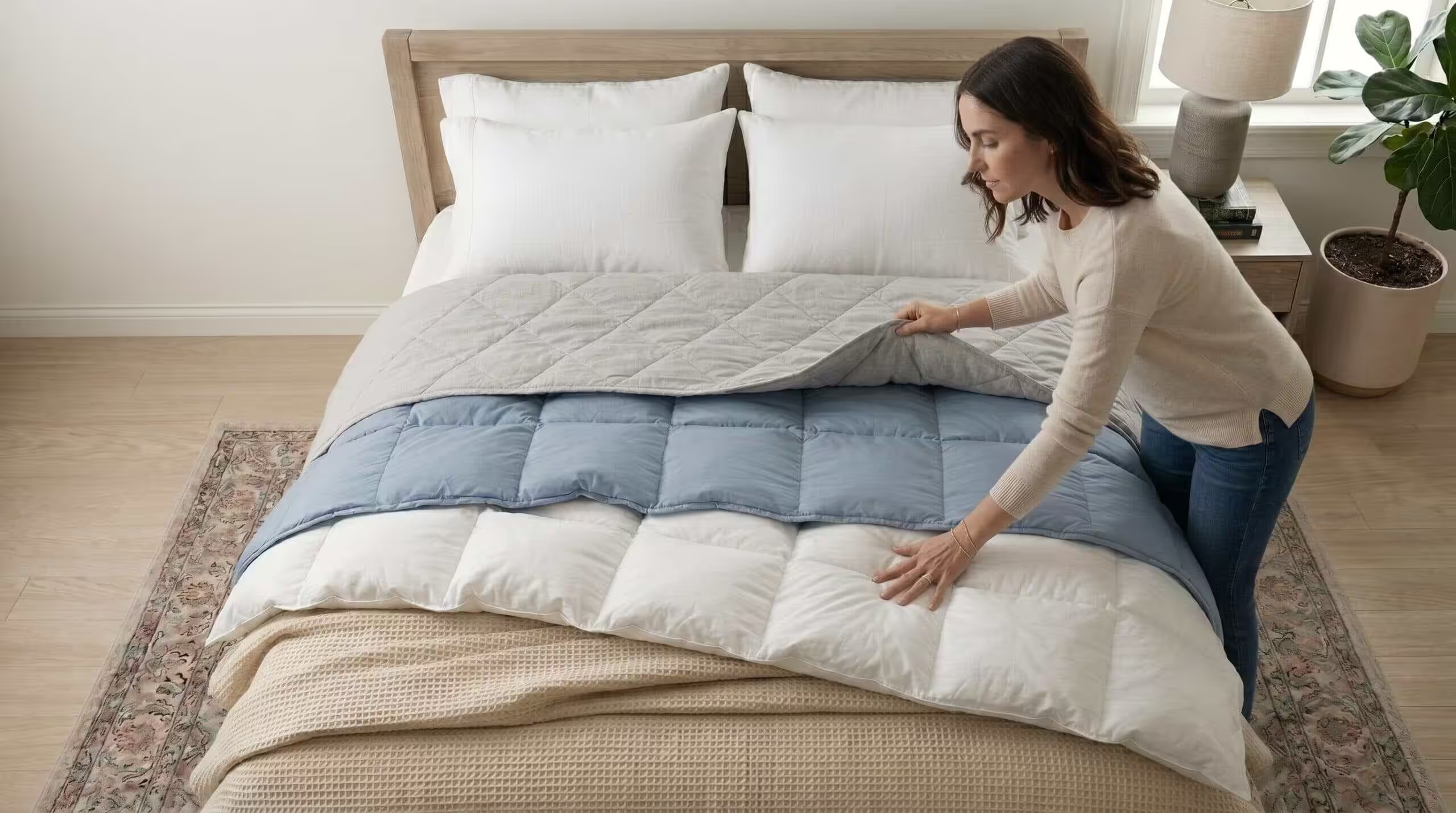
What Is a Comforter?
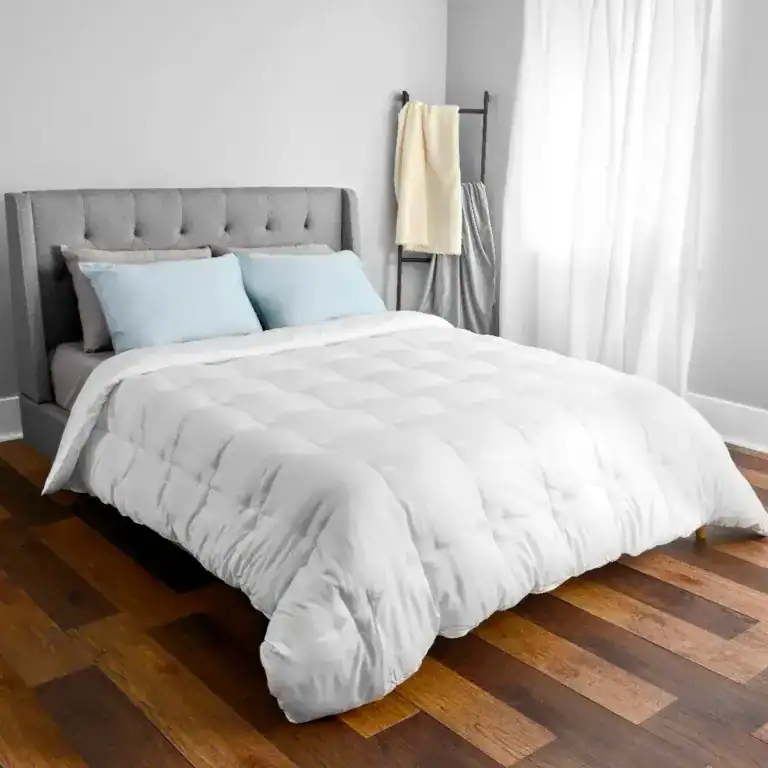
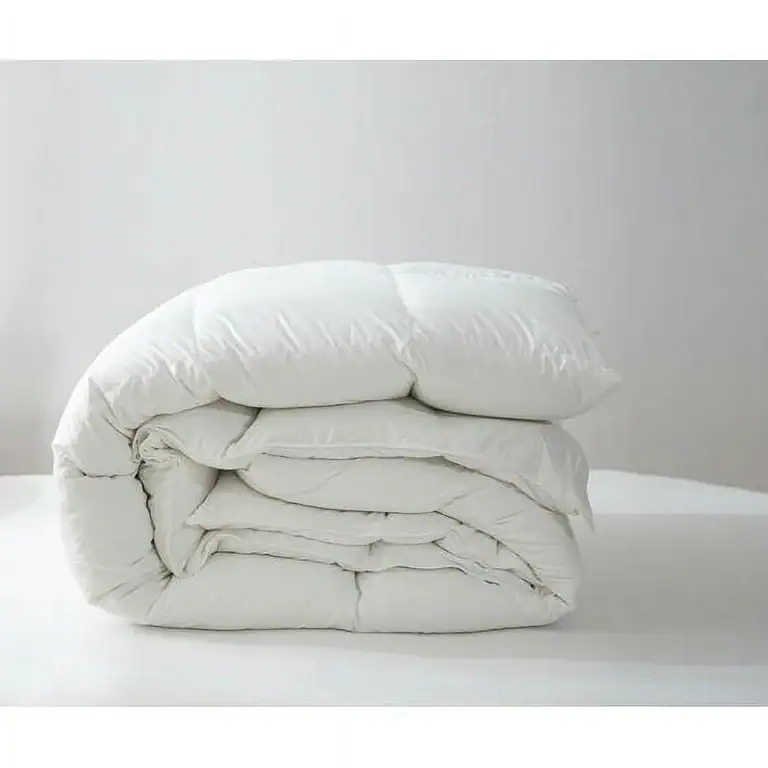
When I explain what a comforter is, it refers to a thick, soft, padded blanket used as the top layer on the bed for warmth and everyday comfort. A comforter is usually quilted and designed with an outer fabric like cotton or microfiber, filled with materials such as eiderdown, down, down alternative, cotton, or wool. This filling determines how warm, breathable, and cozy it feels.
For me, a comforter works as an all-in-one bedding solution, meaning there is no need for multiple layers to stay comfortable at night. I’ve also noticed that stitching quality and even fill distribution matter a lot because they help prevent lumps and cold spots. Fabric choice also plays an important role, since breathable materials help regulate temperature during sleep.
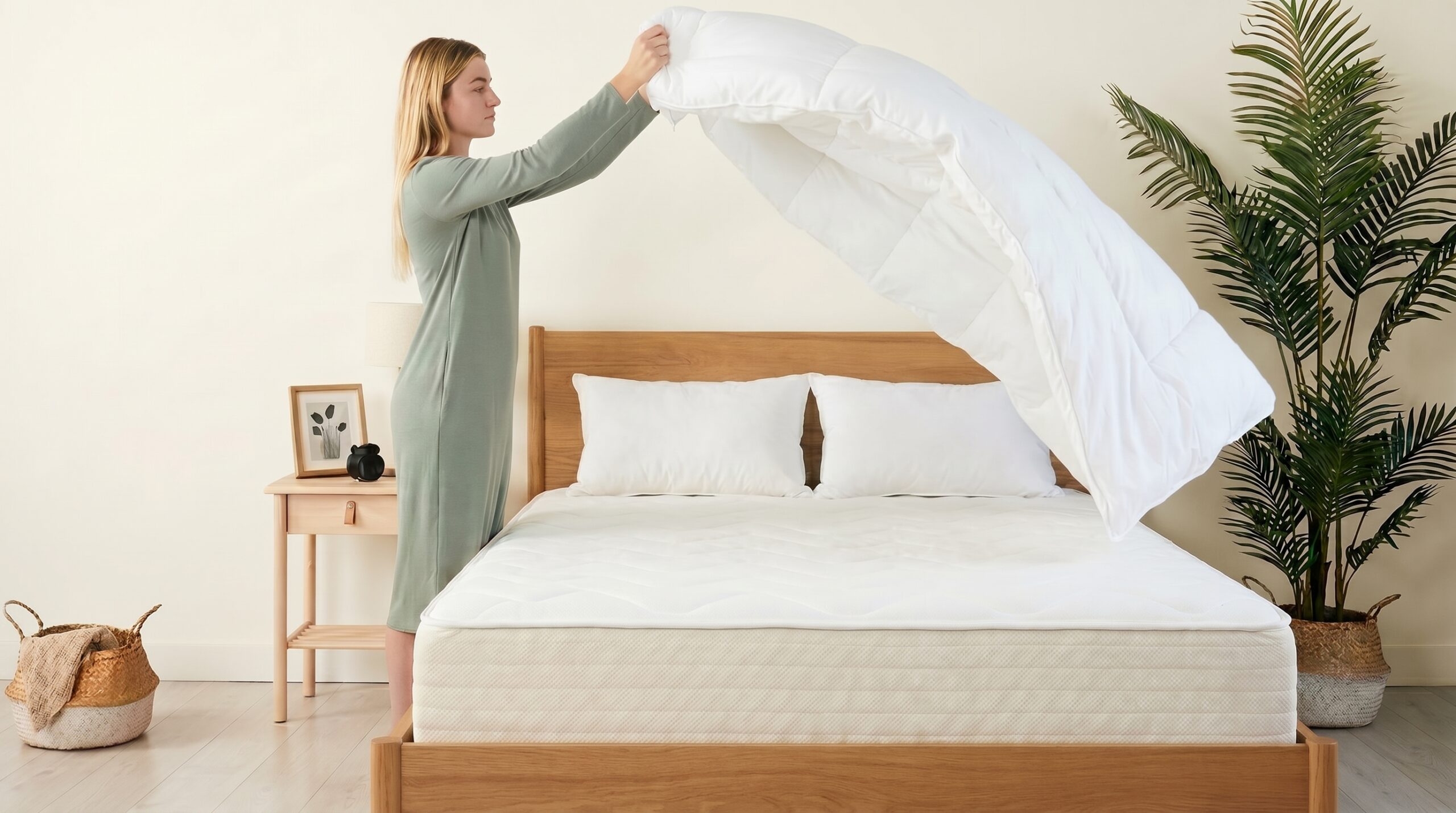
One important thing I always keep in mind when learning how to choose a comforter is not confusing it with a duvet, as a comforter is ready to use on its own without a separate cover. When selecting a comforter, my sleep style whether I tend to feel hot or cold helps guide the right choice of fill type, fabric, and warmth level, ultimately leading to better sleep quality.
Types of Comforters Fill
I’ve noticed that understanding different types of comforter fill makes a real difference in my overall sleep comfort. Each type whether wool, feather, down, or down alternative offers its own balance of warmth, breathability, and ease of care. Instead of focusing only on how a comforter feels at first touch.
I pay close attention to how it performs over time, which is an important part of how to choose a comforter wisely, especially when it comes to temperature regulation and durability. I’ve found that some materials naturally retain heat, while others promote better airflow and are easier to maintain.
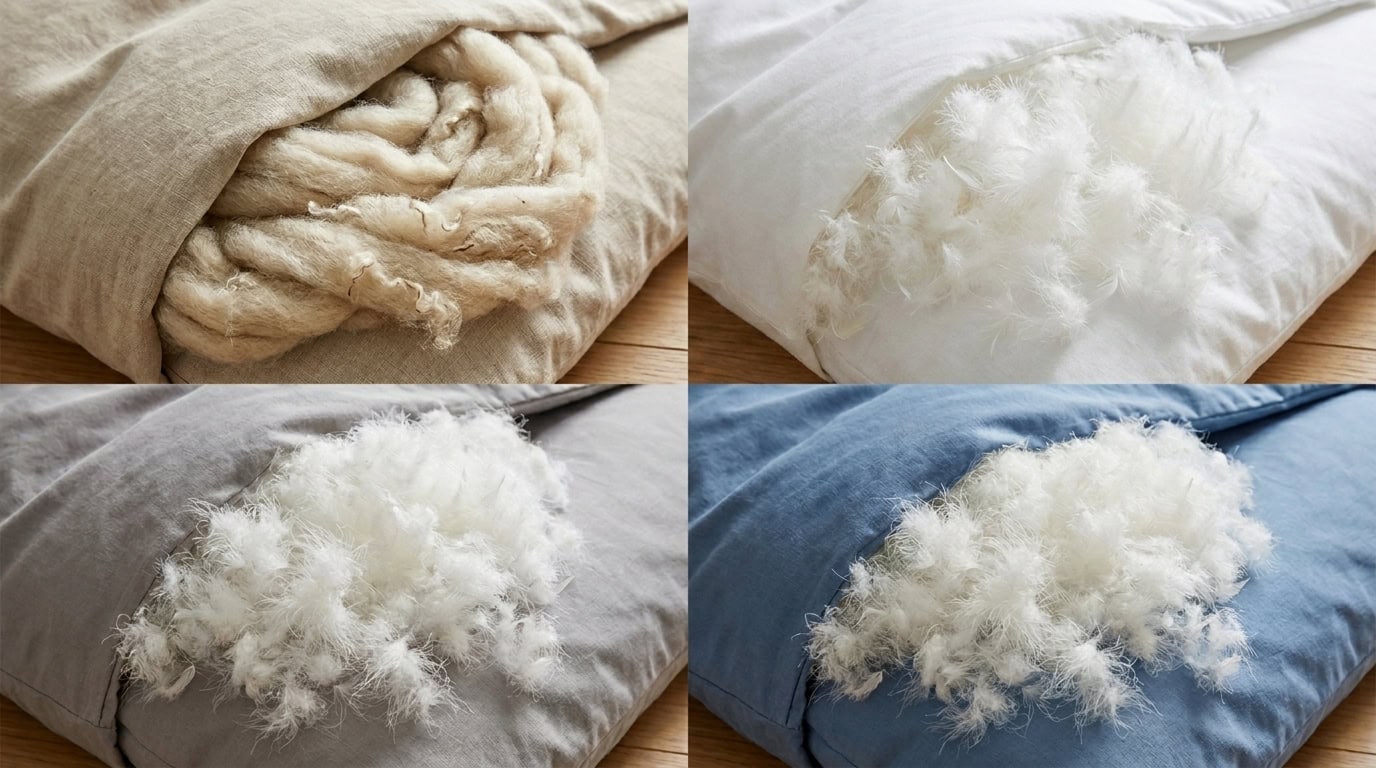
From my experience, the right choice depends on how I sleep, whether I tend to overheat, need extra warmth, or prefer something low-maintenance. Once I understood these differences, it became much easier for me to make an informed decision and choose what truly suits my needs. This has been one of the most important steps in understanding how to choose a comforter, helping me stay comfortable every night while making a choice that truly lasts.
Worth Read: Eiderdown Fill Power Explained: What It Means for Warmth & Comfort
Wool Comforters
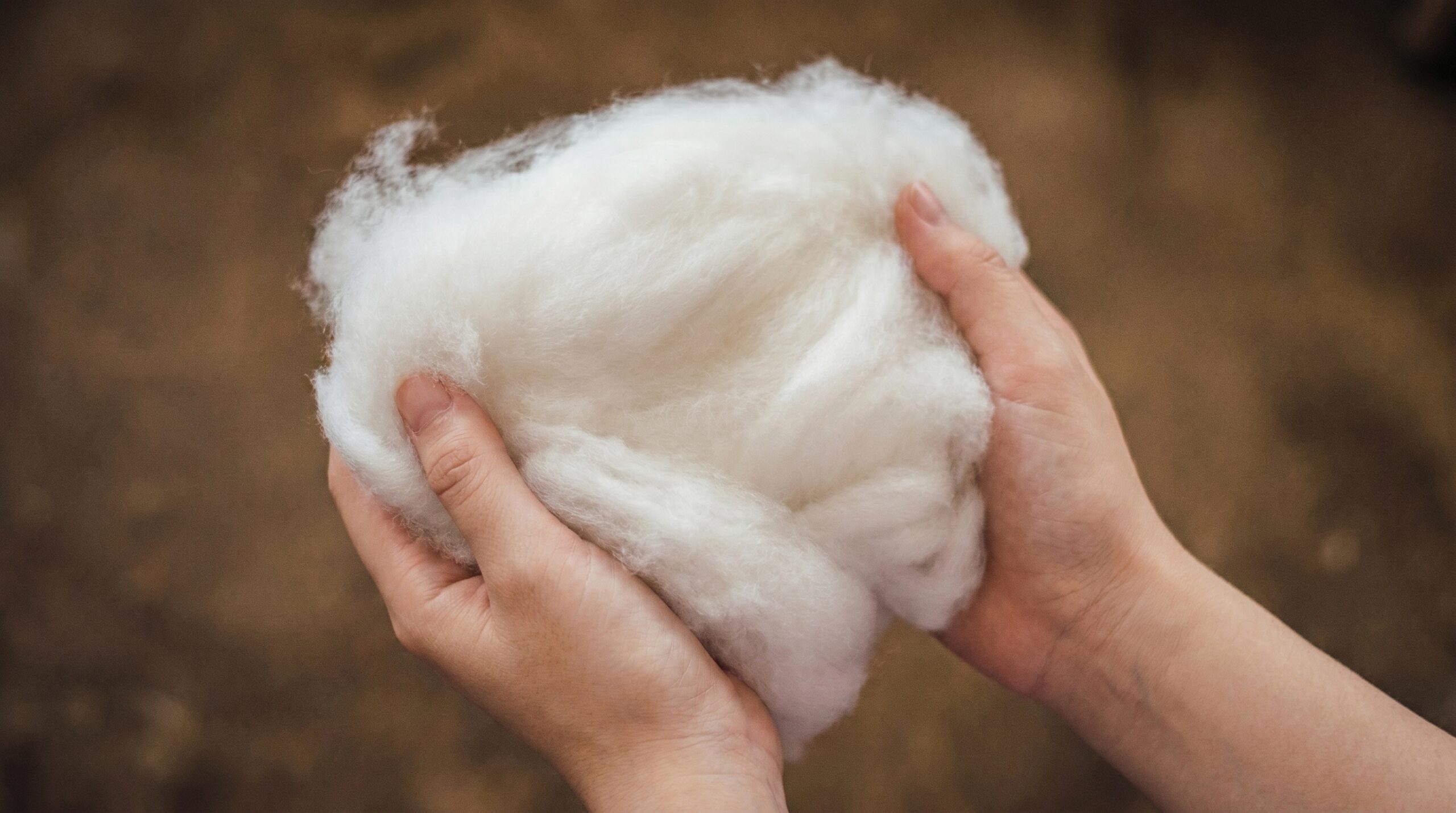
I’ve found that wool comforters are surprisingly versatile, making them a strong option when considering how to choose a comforter based on real comfort needs. They naturally regulate temperature, so I stay warm in cooler conditions without overheating during the night.
What I really appreciate is how wool wicks away moisture, helping me stay dry and comfortable. It’s also naturally resistant to dust mites and odors, which makes it a great option for cleaner sleep. While it can feel slightly heavier than other types, I’ve noticed it provides steady, balanced comfort without trapping excess heat.
Feather Comforters
When I use feather comforters, they tend to feel slightly heavier than down, but they still provide reliable warmth. I like that they’re usually more affordable, which makes them a practical option for everyday use. That said, I’ve noticed they aren’t as fluffy, and in lower-quality versions, quills can sometimes poke through the fabric. Still, if I want decent warmth without spending too much, they work well enough.
Down Comforters
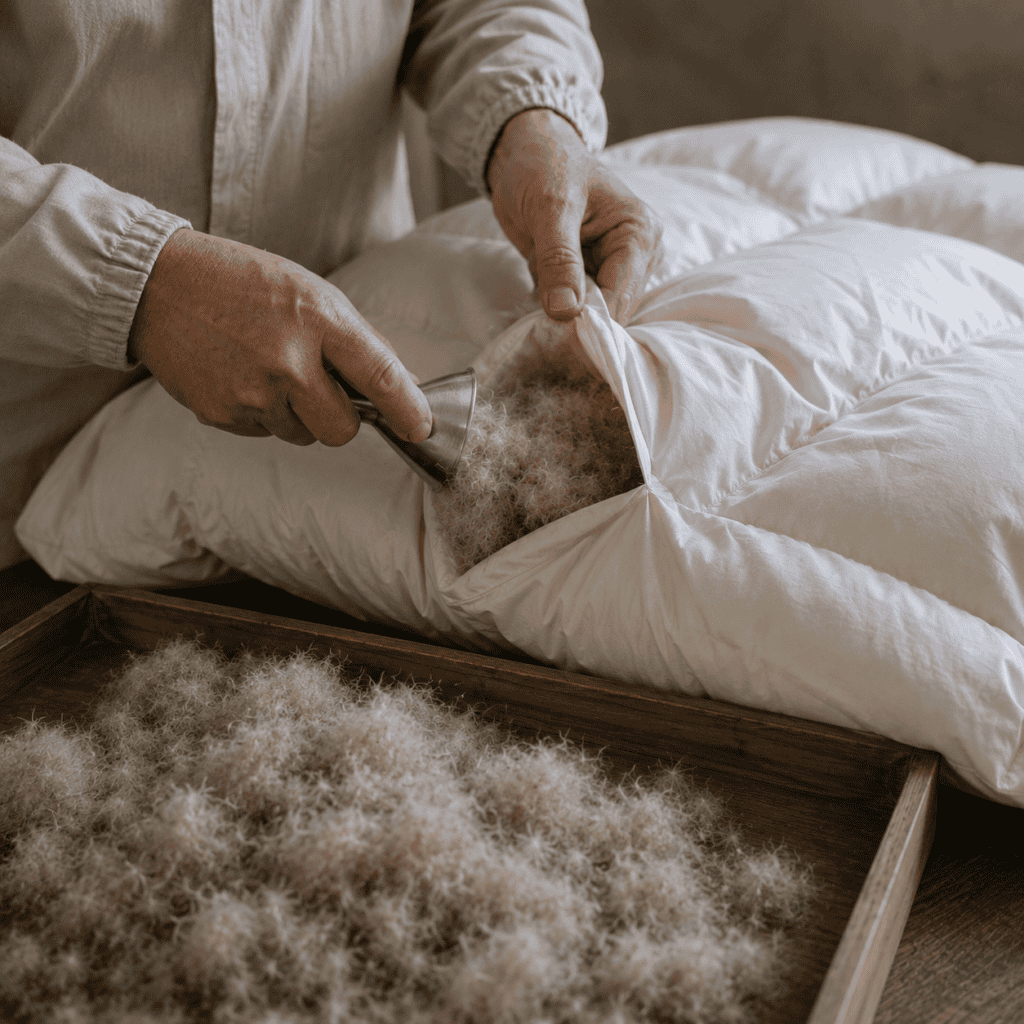
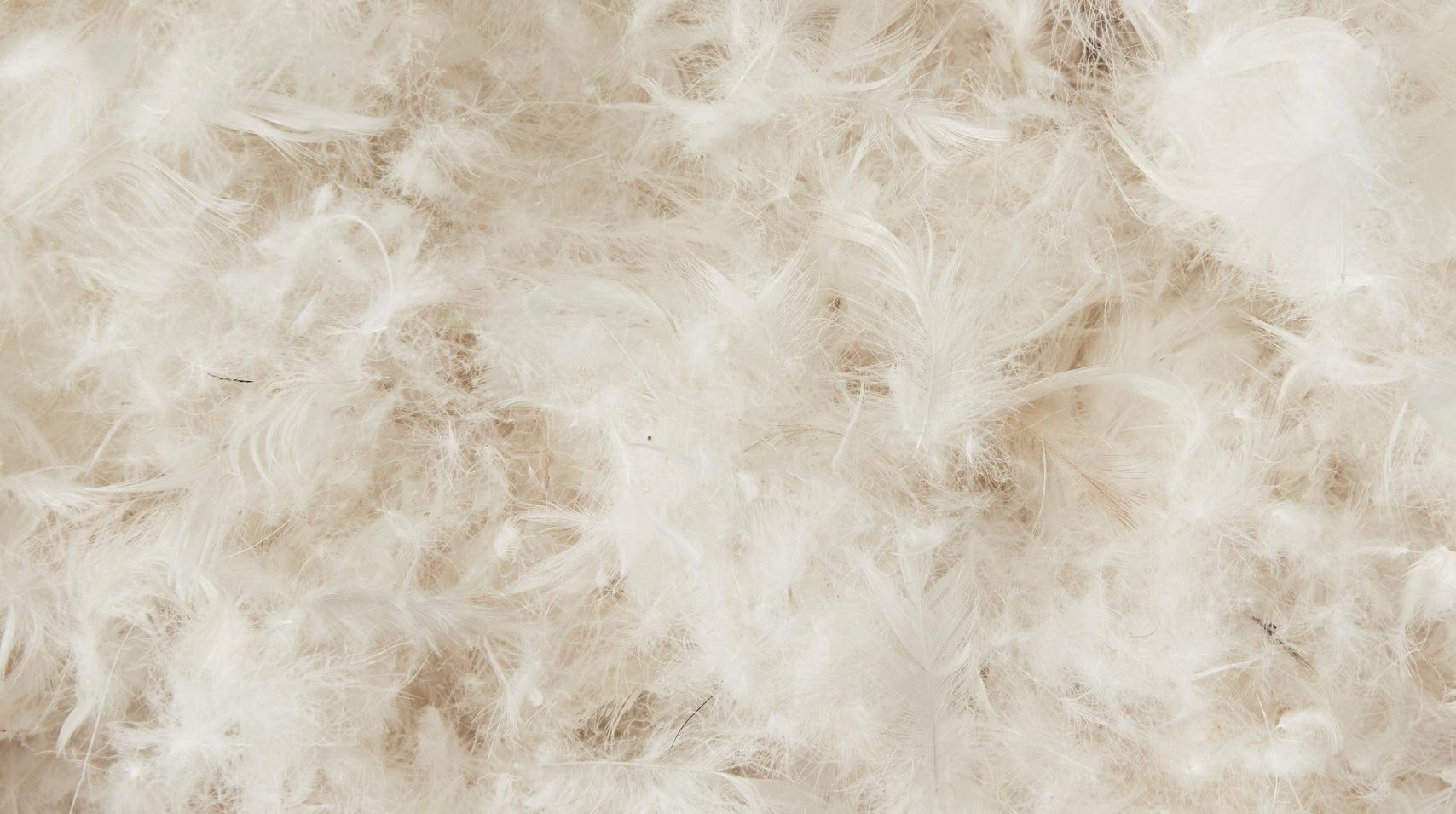
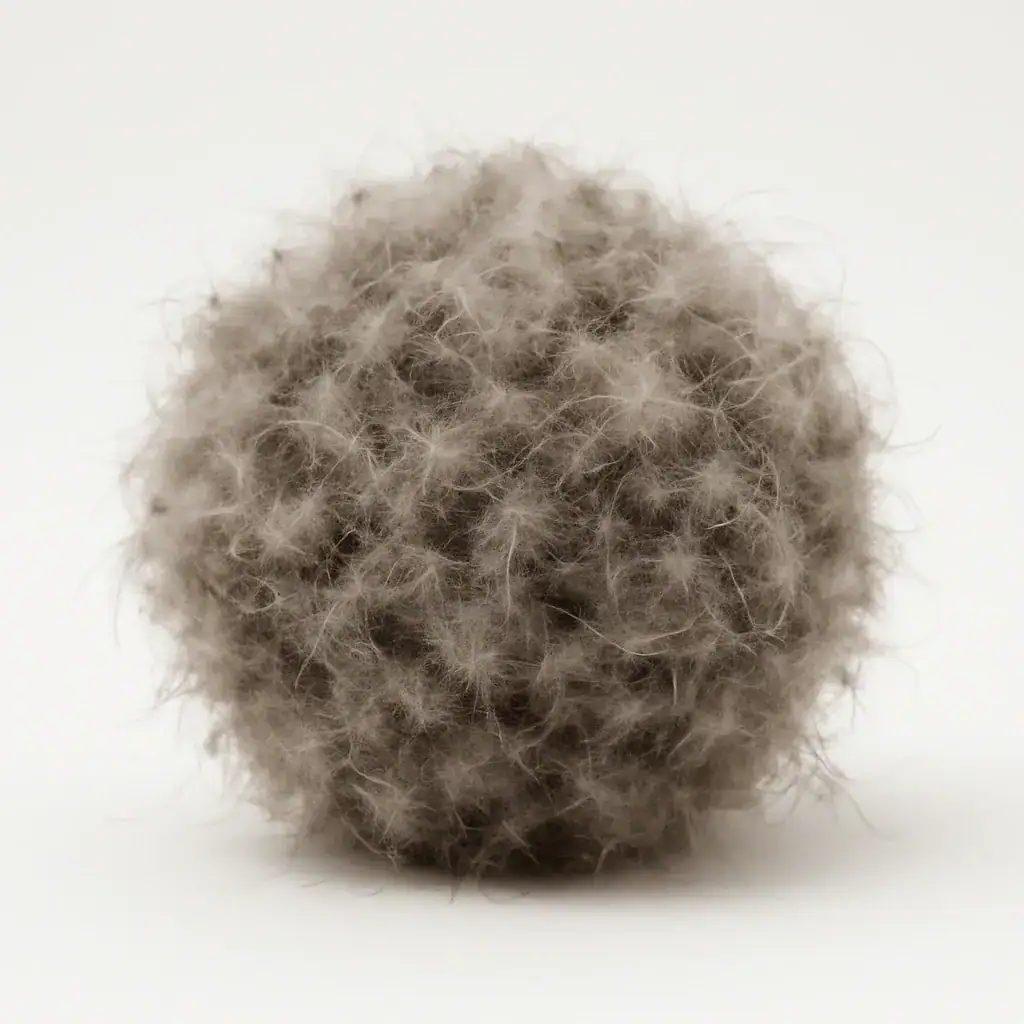
I personally enjoy eiderdown comforters and its the best comforter filling material I had ever seen, because they feel incredibly light but still keep me warm. They trap heat really well without feeling heavy, which I find perfect for a comfortable night’s sleep. That said, I do pay attention to maintenance and allergies, since down needs a bit more care and isn’t ideal for everyone. When I choose a good-quality one, though, it genuinely feels like a more premium and cozy sleeping experience.
Down Alternative Comforters
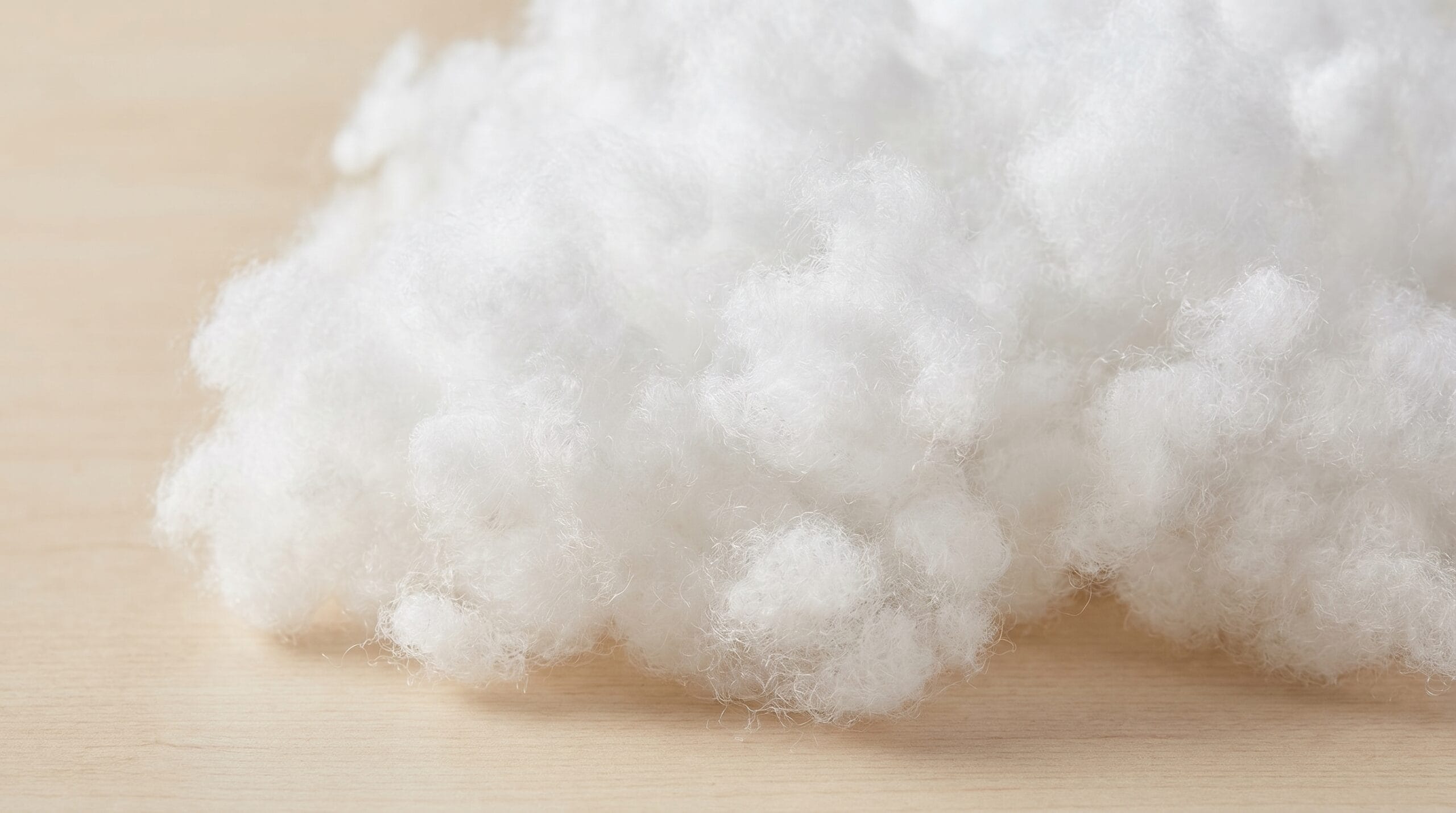
For everyday use, I usually lean toward alternative comforters because they’re easy to maintain and much more allergy-friendly. They’re made from synthetic fibers, but honestly, they come pretty close to the softness of real down.
I also like that they’re more affordable and simple to wash. In my experience, they’re a reliable choice especially when I want something low-maintenance that still feels comfortable and warm without needing extra care.
The Complete Step by Step Guide
When I choose a comforter, I usually follow a simple approach instead of overthinking it, because I’ve learned that the wrong pick can easily mess with my sleep. Over time, I’ve realized that learning how to choose a comforter really comes down to balancing comfort, warmth, and durability.
I pay attention to things like fill material, warmth level (GSM or fill power), and how well it matches my sleep habits. Fabric breathability matters more than I once thought, and so does choosing the right size so it actually fits the bed properly.
Recommended: How to Choose the Perfect Eiderdown Comforter for All Seasons
I also look at stitching quality to avoid uneven filling, and if I’m being careful, I go for hypoallergenic options. Getting these details right has genuinely made my sleep more consistent and comfortable.
Once you know what makes a good comforter, it becomes much easier to find how to choose a comforter which is perfect for your sleep style and gives you the right balance of warmth and comfort every night.
Step 1 : Choose the Right Fill Material
| Fill Type | Warmth | Breathablity | Best for | Price |
| Down | High | High | Cold sleepers, luxury comfort | Expensive |
| Down Alternative | Medium | Medium | Allergy-friendly, easy care | Affordable |
| Cotton | Light | High | Hot sleepers, summer use | Moderate |
| Wool | Medium-high | High | All-season comfort | Premium |
Step 2 : Understand Warmth Levels (GSM vs Fill Power)
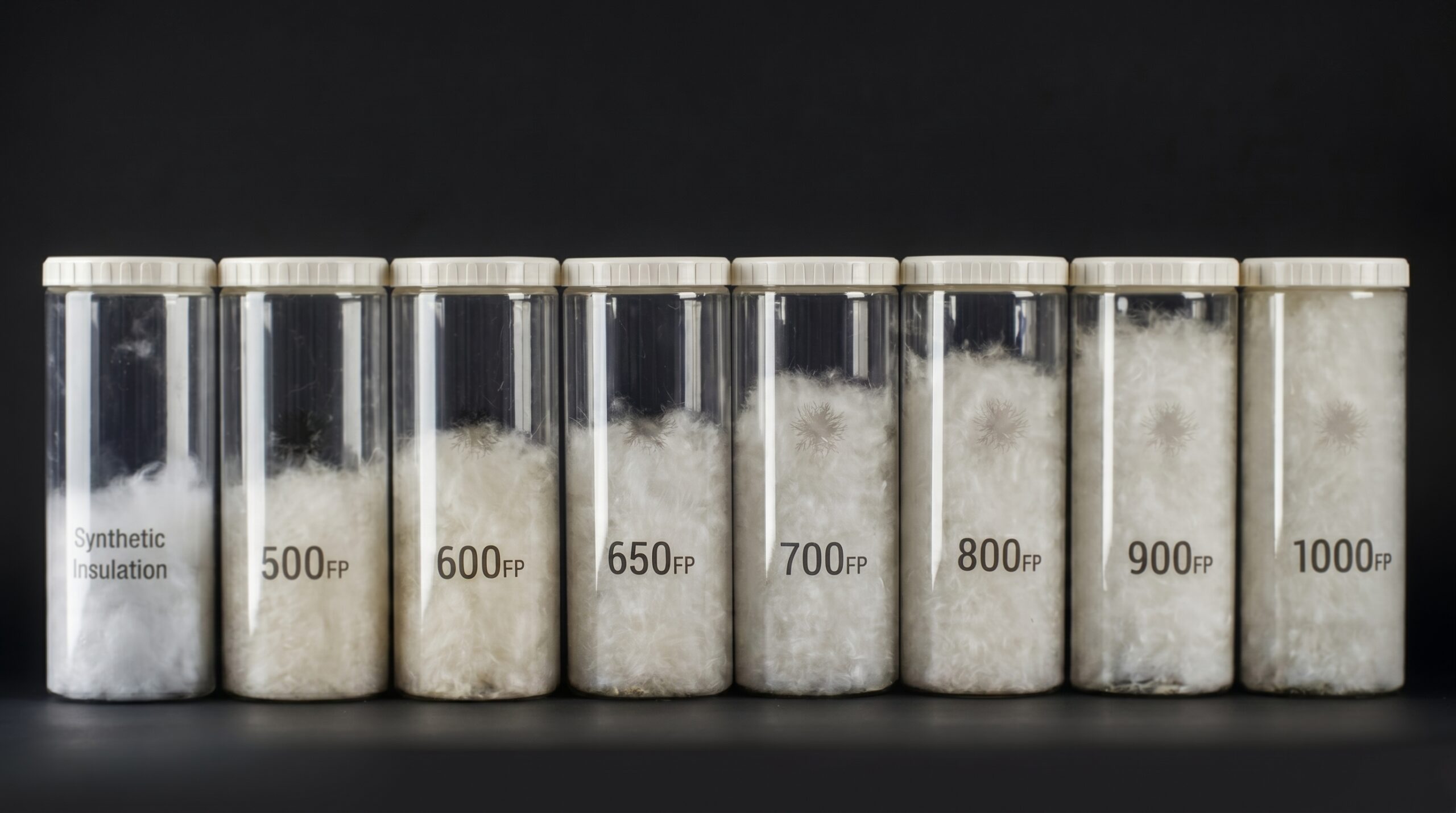
I use GSM to understand the thickness and warmth of a comforter generally, a higher GSM means a warmer option. Fill power, on the other hand, helps me judge the insulation quality, especially in down comforters. What I’ve noticed is that a higher fill power feels lighter in weight but still provides excellent warmth, which makes the comforter more comfortable without feeling heavy.
Read this : Eiderdown Fill Power Explained: What It Means for Warmth & Comfort
Step 3 : Based on Climate & Sleep Style
When it comes to how to choose a comforter based on climate, I always start by considering how I actually sleep. If I tend to overheat, I look for breathable, lightweight comforters that promote airflow and keep me cool throughout the night.
In colder conditions, I prefer thicker, well-insulated options that retain warmth and create a cozy sleeping environment. I also factor in my room setup whether I’m using air conditioning or relying on natural ventilation because these details can make a noticeable difference in how comfortable a comforter feels.
Step 4 : Choose the Right Fabric Shell
I prefer cotton for breathability and comfort, microfiber when I want a budget-friendly option, and bamboo for a softer, cooling feel. I also don’t rely on thread count alone, since it doesn’t always guarantee better quality.
Step 5 : Select the Perfect Size
Choosing the correct comforter size is essential for proper coverage and aesthetics.
| Bed Size | Recommended Comforter Size |
| Twin | 66″ x 90″ |
| Twin Xl | 68″ x 92″ |
| Full | 80″ x 90″ |
| Queen | 90″ x 90″ |
| King | 104″ x 90″ |
| California King | 108″ x 98″ |
Step 6 : Check Construction Quality
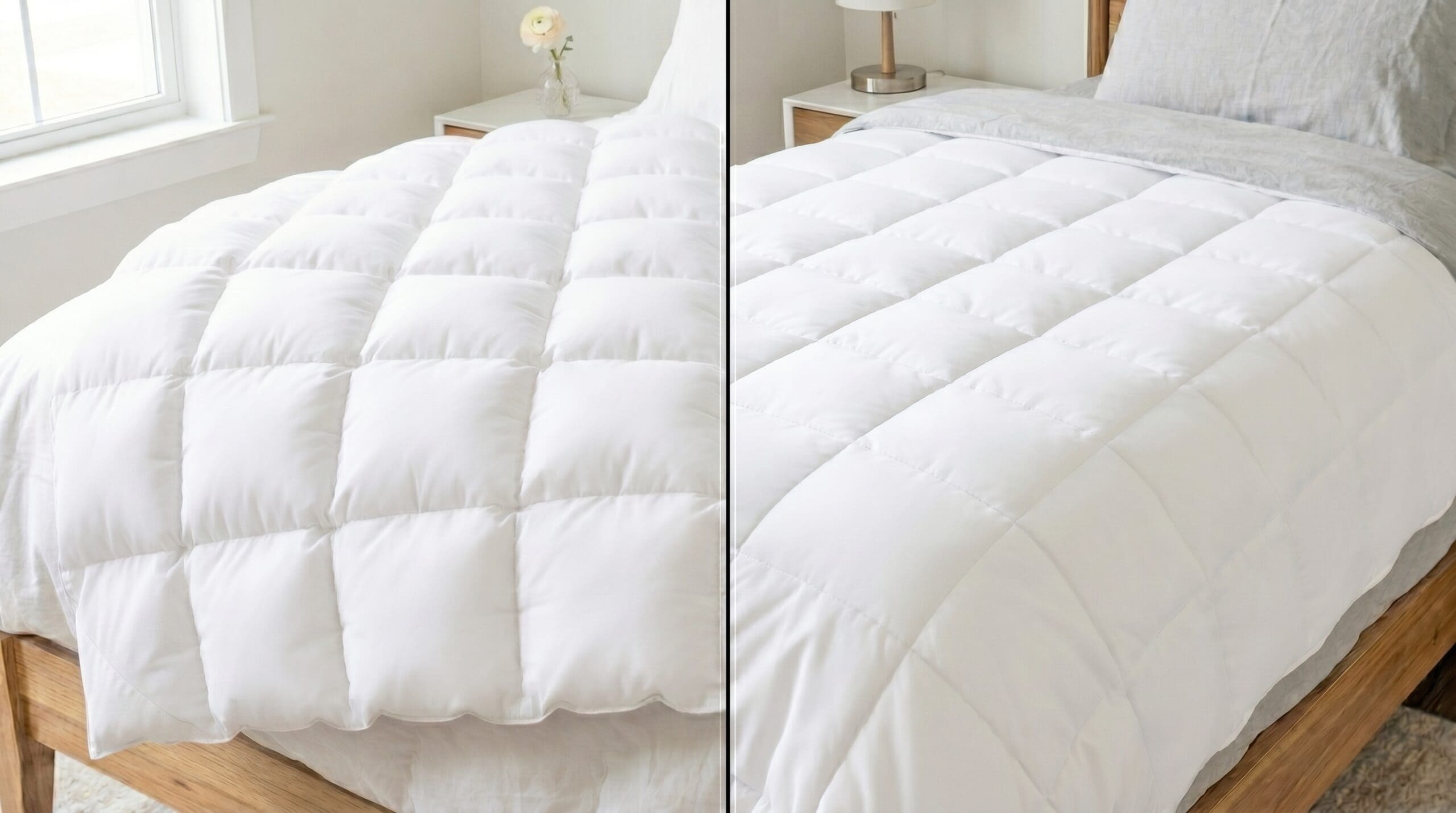
When figuring out how to choose a comforter with the perfect design, I always pay close attention to the stitching. From my experience, baffle box designs do an excellent job of keeping the filling evenly distributed, which helps maintain consistent warmth and comfort throughout the night.
Worth Read : Unique Structure of Eiderdown Insulation & Softness
On the other hand, poor construction can lead to clumping and create uncomfortable cold spots over time. Sewn-through stitching feels lighter and more breathable, making it a great choice for warmer climates, but it can allow a bit of heat to escape along the seams, so it’s slightly less insulating overall.
Step 7 – Look for Hypoallergenic & Certifications
If I have sensitive skin or allergies, I usually go for hypoallergenic comforters and trusted certifications like OEKO-TEX. I’ve also noticed that anti-dust mite features really improve overall sleep comfort and keep my bedding feeling cleaner and more hygienic over time.
Comforter Types Explained
When I first started exploring how to choose a comforter, I quickly realized they’re not all made the same and picking the right one can completely change how well I sleep. Most differences come down to best comforter filling material material, warmth level, and overall weight, which directly affect comfort and usability.
Over time, understanding options like down vs. down alternative, summer vs. winter comforters, and lightweight vs. heavier styles made it much easier to choose something that truly fits my needs, rather than relying on guesswork or appearance alone when making a decision.Some nights, I prefer a light and breathable comforter, while other times I need something warmer and more insulating, depending on my environment and sleep habits.
Knowing how to choose a comforter based on warmth, breathability, and ease of maintenance has helped me make better decisions. Instead of guessing, I now evaluate how each option performs in real conditions, which has made a noticeable difference in my sleep quality. This approach ensures I’m not just choosing what looks good, but what actually feels right and works consistently over time.
Down vs Down Alternative Comforters
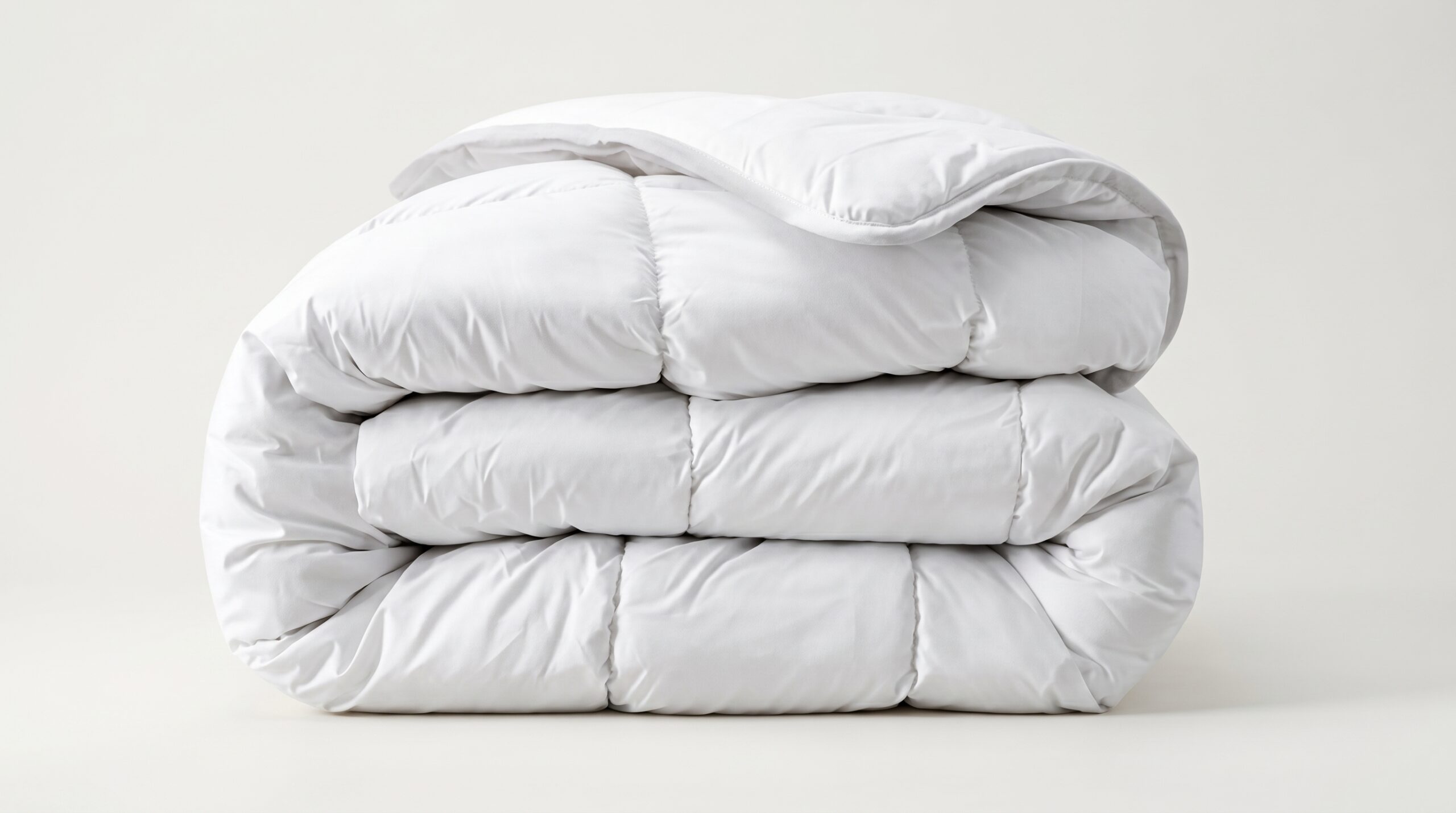
How to choose a comforter when it comes to deciding between down and down alternatives. I’ve learned that when buying a comforter, it’s easy to overlook small details that make a big difference. When I compare down vs down alternative comforters, the difference becomes clear the moment I use them.
A down comforter, filled with natural feathers, feels incredibly light yet provides excellent insulation. It traps heat efficiently without adding weight, making it ideal for colder conditions. However, it can be expensive and may trigger allergies, which I’ve had to consider.
That’s why I often choose a down comforter for everyday use. Made from synthetic fibers, it mimics the softness of down but is more affordable, easier to maintain, and better suited for allergy-sensitive sleepers.
Summer vs Winter Comforters
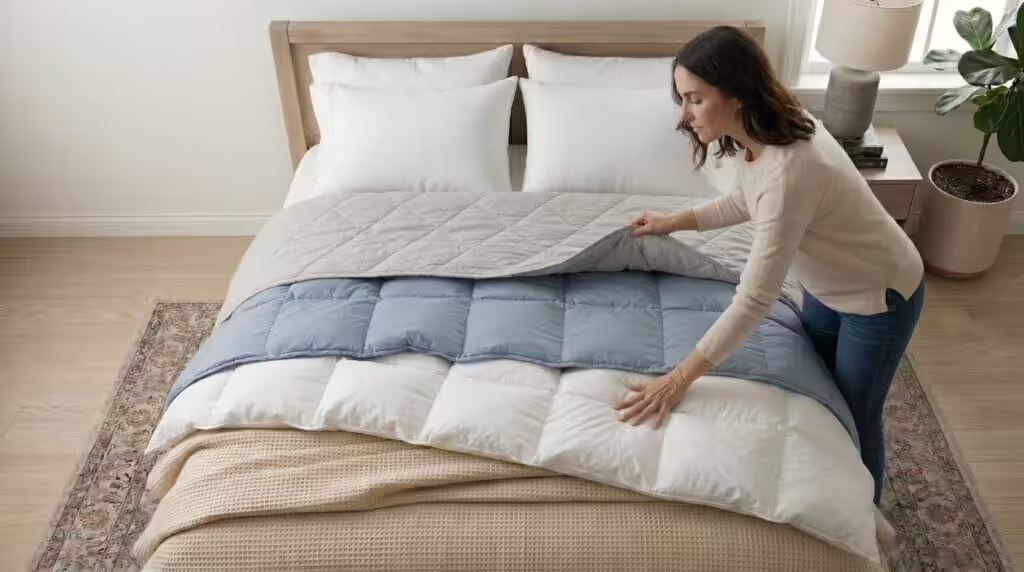
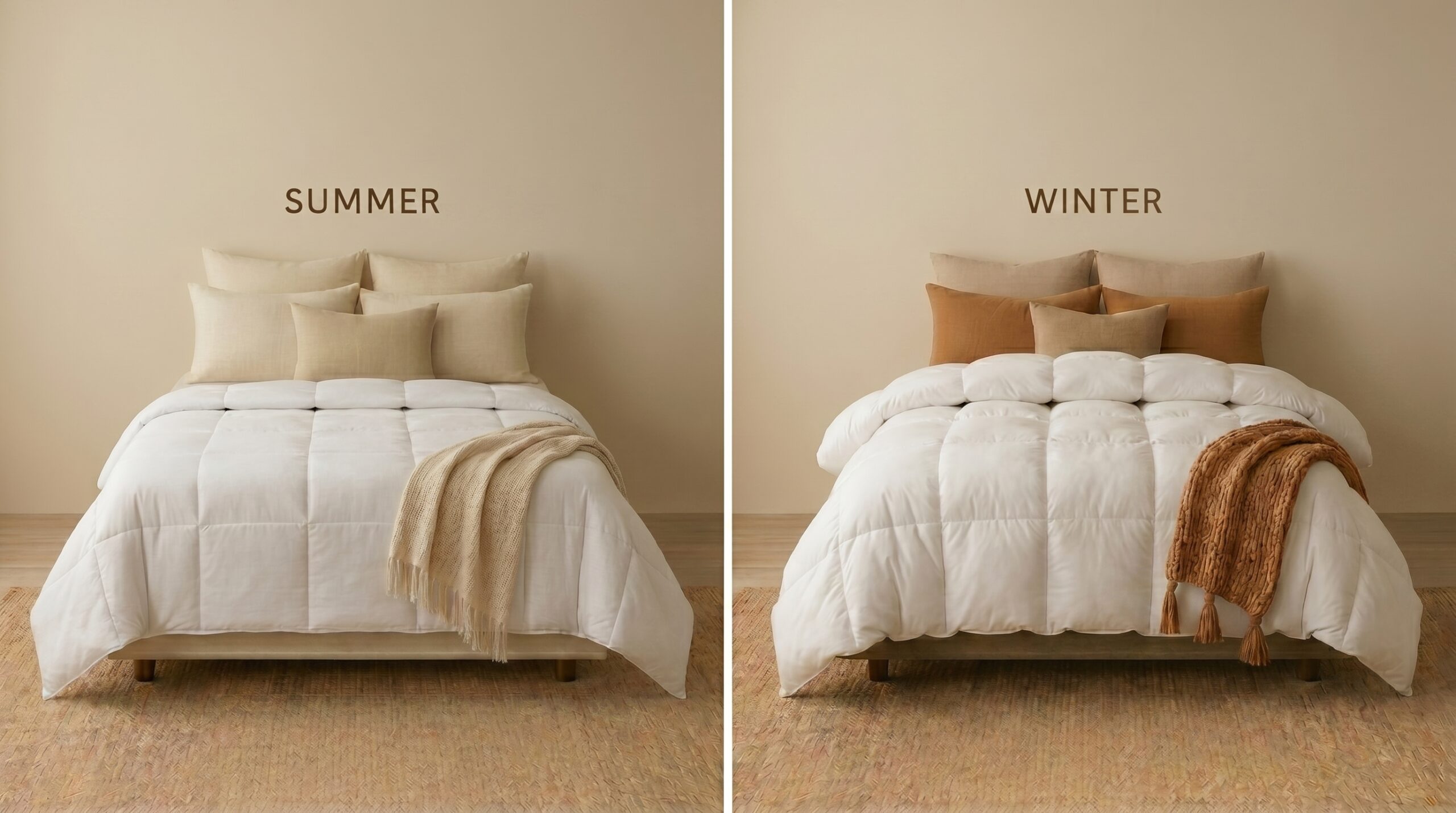
Knowing how to choose a comforter depends largely on the season. I’ve found that using the same comforter all year rarely works. Comforters for summers, I prefer lightweight, breathable cotton or low-GSM comforters as they help regulate body temperature and prevent overheating.
Comforters for winters, I switch to higher-GSM or high fill-power comforters that provide better insulation, trapping warmth without feeling overly bulky. The most important aspect of comforter selection, in my view, is balancing warmth and breathability,
Ensuring year-round comfort through effective temperature regulation and airflow rather than focusing only on thickness.
Lightweight vs Heavy Comforters
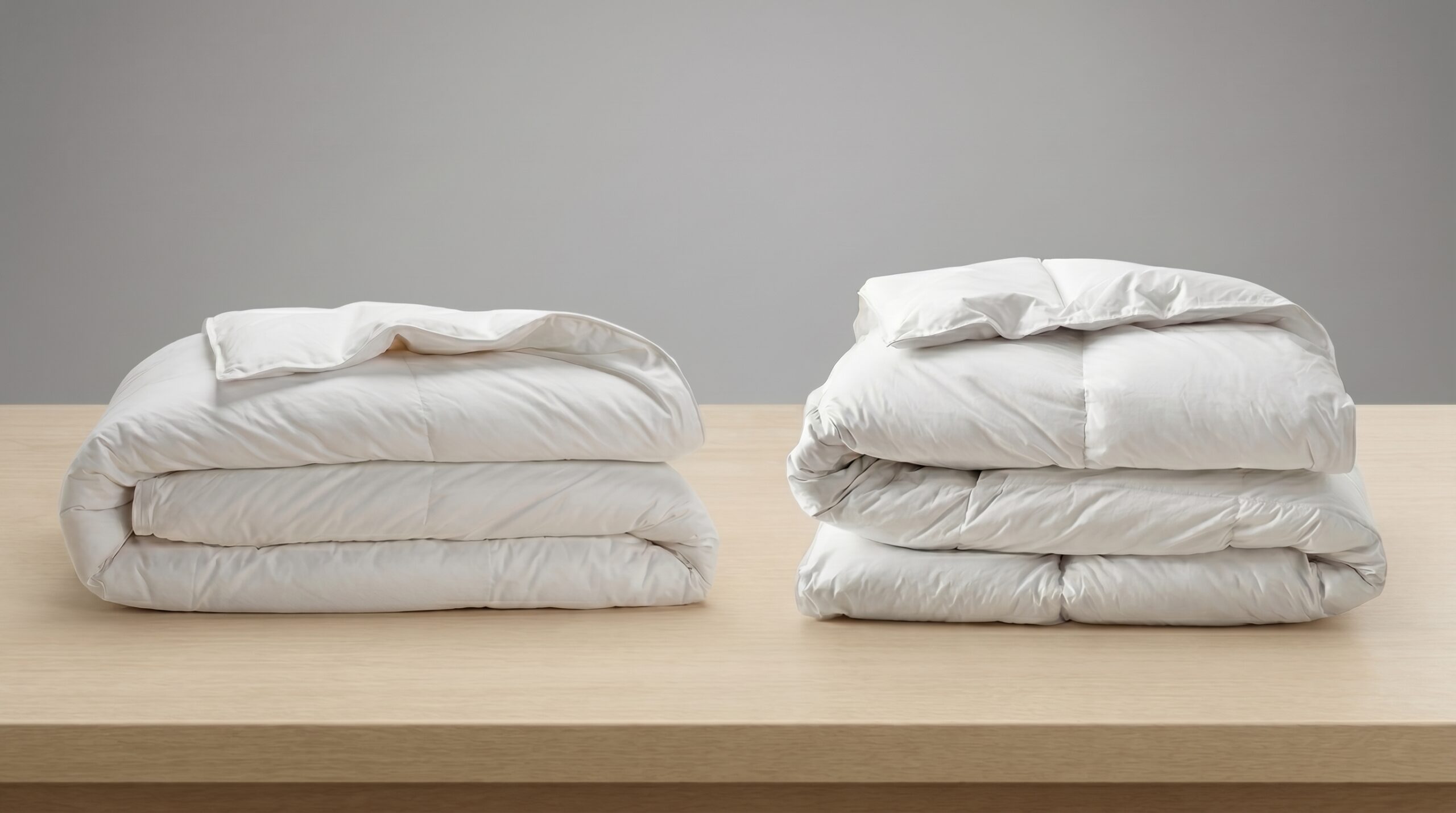
When thinking about how to choose a comforter, deciding between a lightweight vs heavy option is an important part of the process, and it really depends on how I sleep. On most nights, I prefer a lightweight comforter because it feels breathable and doesn’t trap excess heat especially helpful.
Since I tend to sleep hot. At the same time, I understand the appeal of a heavier comforter for hot sleepers. That gentle weight can feel secure and cozy, but if it traps too much heat or lacks breathability, it can disturb sleep instead of improving it. That’s why I focus on finding the right balance of comfort and temperature to suit my needs each night.
Common Mistakes to Avoid When Buying a Comforter
I’ve learned that when buying a comforter, it’s easy to overlook small details that make a big difference. I’ve made a few poor choices, and looking back, the issue was never about looks or price, it was about how well the comforter supported my sleep.
One mistake I made was choosing the wrong GSM. I picked a high-GSM comforter thinking it would be better, but it turned out too heavy and uncomfortably warm. That taught me that thicker doesn’t always mean better and a good comforter for hot sleepers. I also ignored my personal sleep temperature. Some nights I feel warm, others I need extra warmth, and not considering this led to restless sleep.
If you’re trying to figure out how to choose a Comforter, I’d suggest focusing on your sleep temperature first. That small shift can make a noticeable difference in comfort and help you sleep more consistently every night. This simple step will help you select a comforter that actually fits your needs and gives you deeper, more restful sleep.
How to Choose a Comforter Based on Your Needs
How to choose a comforter based on your needs depends on your body temperature, room conditions, and fabric preference. I’ve noticed that my sleep comfort changes significantly between warm and cold nights, so I switch between lightweight, breathable comforters and warmer, more insulated fills depending on the season.
I also pay close attention to skin sensitivity, airflow, and overall fabric quality to ensure long-lasting comfort. A comforter that traps too much heat can make sleep restless, while one that is too light may not provide enough warmth.Durability is another important factor because I want something that stays soft and evenly filled even after repeated washing and use.
Focusing only on price or ignoring breathability often leads to poor sleep quality. By carefully considering these factors, you can clearly understand how to choose a comforter that matches your sleeping style and improves your overall comfort and rest every night.
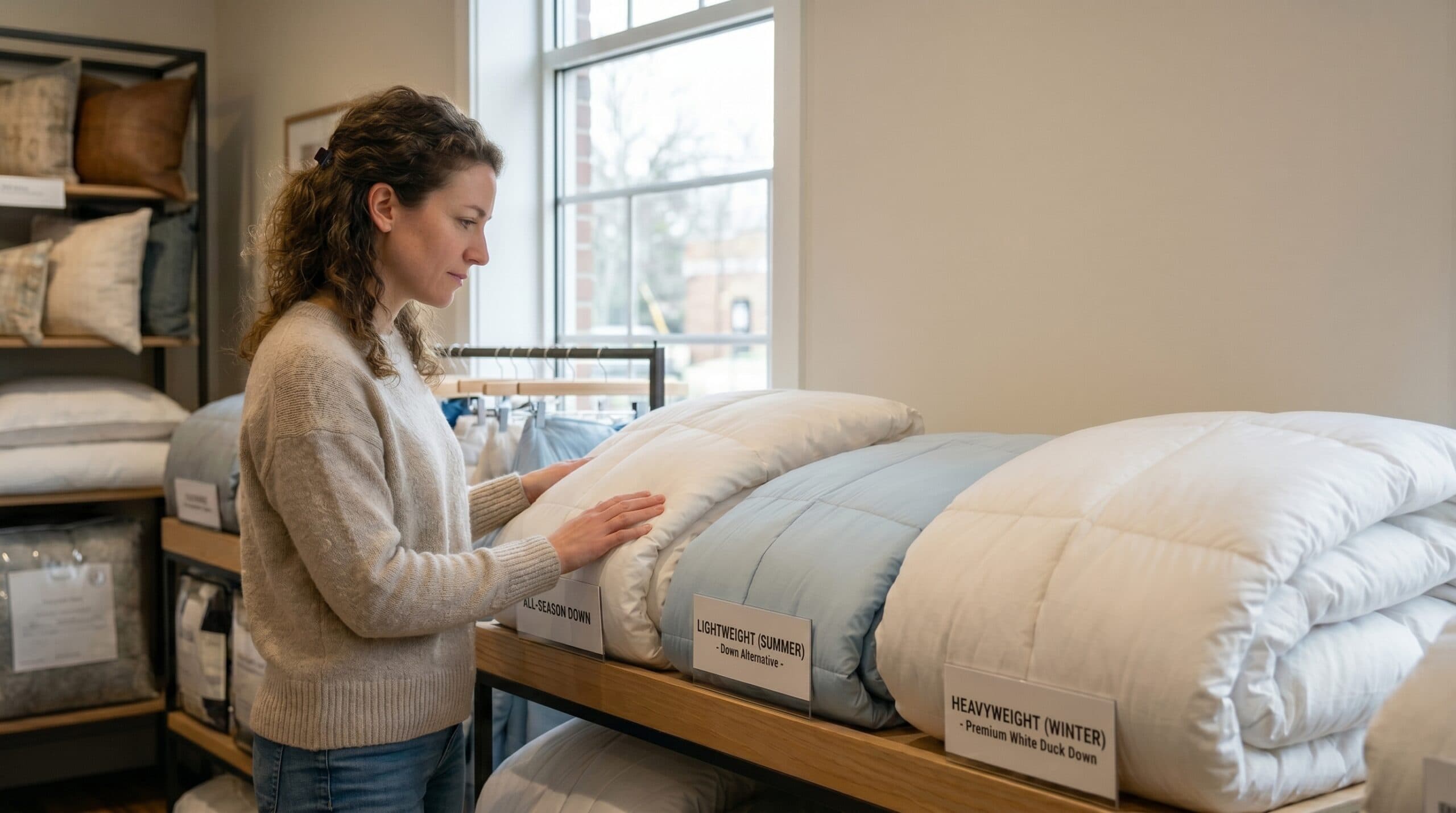
Best for Hot Sleepers
I tend to overheat at night, so learning how to choose a comforter has honestly made a big difference for me. I usually go for lightweight options with a low GSM because they don’t hold onto too much heat. Breathable fabrics like cotton or bamboo have worked really well, they feel fresh and help keep things cool through the night.
I’ve also found that cooling comforters with down-alternative fills give that cozy feeling without being too heavy. From experience, thicker or overly synthetic ones are best avoided, they just trap heat and usually leave me tossing and turning.
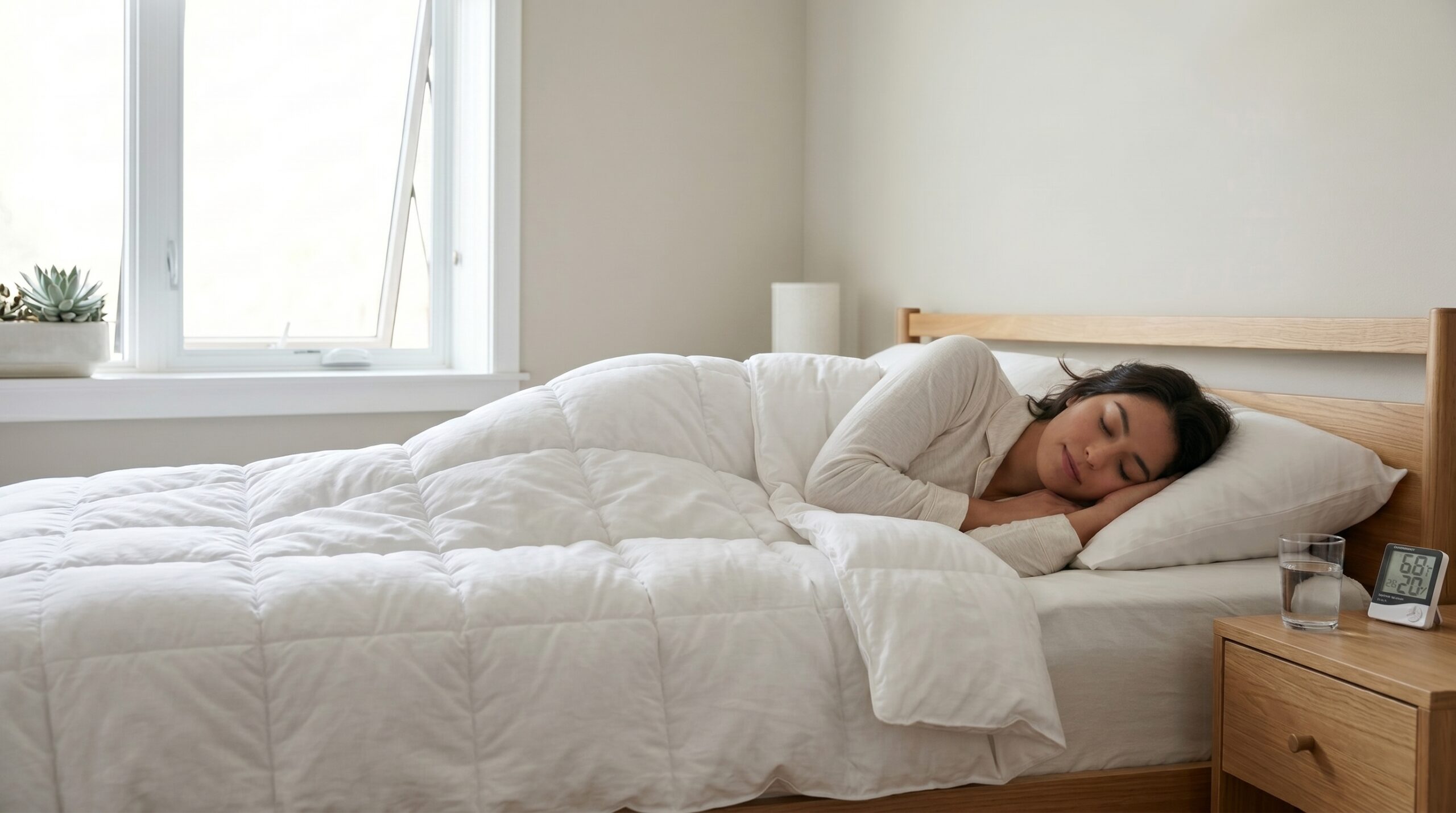
Best for Cold Weather
For colder nights, I rely on the best winter comforter for cold weather that provides consistent insulation. I usually prefer high GSM or high fill power comforters, especially those filled with down or wool, because they retain heat without making me feel weighed down.
Over time, I’ve realized that it’s not just about thickness, it’s about how efficiently the comforter traps warmth while still allowing minimal airflow. A well-insulated comforter keeps me warm throughout the night without the need for constant adjustments, which is an important factor in how to choose a comforter .
Check Out: Eiderdown’s Cloud Comforter
Best for Allergies
When it comes to how to choose a comforter for sensitive skin, I focus on materials that feel safe and gentle. I usually prefer a high-quality down comforter, especially when it’s properly cleaned and certified to minimize allergens, as it can still feel light, breathable, and comfortable.
I also pay attention to tightly woven fabric shells and certifications like OEKO-TEX, which give me confidence in material safety. Regular washability is another factor I consider, since keeping the comforter clean helps reduce irritation and improves overall sleep hygiene.
Best Budget Comforters
I’ve realized that the best budget comforter isn’t necessarily the cheapest, it’s the one that balances cost with performance. I usually pick microfiber or down alternative comforters with durable stitching and decent breathability. These give me good comfort without spending too much. If I focus only on the low price and ignore fabric quality or airflow, I end up with a comforter that feels uncomfortable and wears out quickly.
Comforter Care and Durability
Proper comforter care and durability go hand in hand for me, directly influencing how long my comforter lasts and how well it performs over time. I’ve found that a high-quality comforter can last anywhere from 5-10 years, but only when I follow the right care routine.
Learning how to choose a comforter that suits my lifestyle has made a big difference, as the right materials require the right maintenance. Regular cleaning, gentle washing cycles, proper drying, and correct storage all help me preserve its softness, loft, and insulation, ensuring it stays comfortable and reliable through every season.
Worth Read : How to Care for Eiderdown Products
Understanding how to choose a comforter that lasts long has become just as important as maintaining it. I’ve noticed that selecting the right fabric and fill whether breathable cotton covers or durable down alternatives greatly impacts long-term performance. When I neglect essential care, like improper drying or infrequent cleaning.
It often leads to clumping, reduced warmth, and quicker wear. That’s why I always follow manufacturer care instructions and handle it with care. By treating my comforter as a long-term investment, I’m able to keep it fresh, breathable, and consistently comfortable for years without compromising its quality.
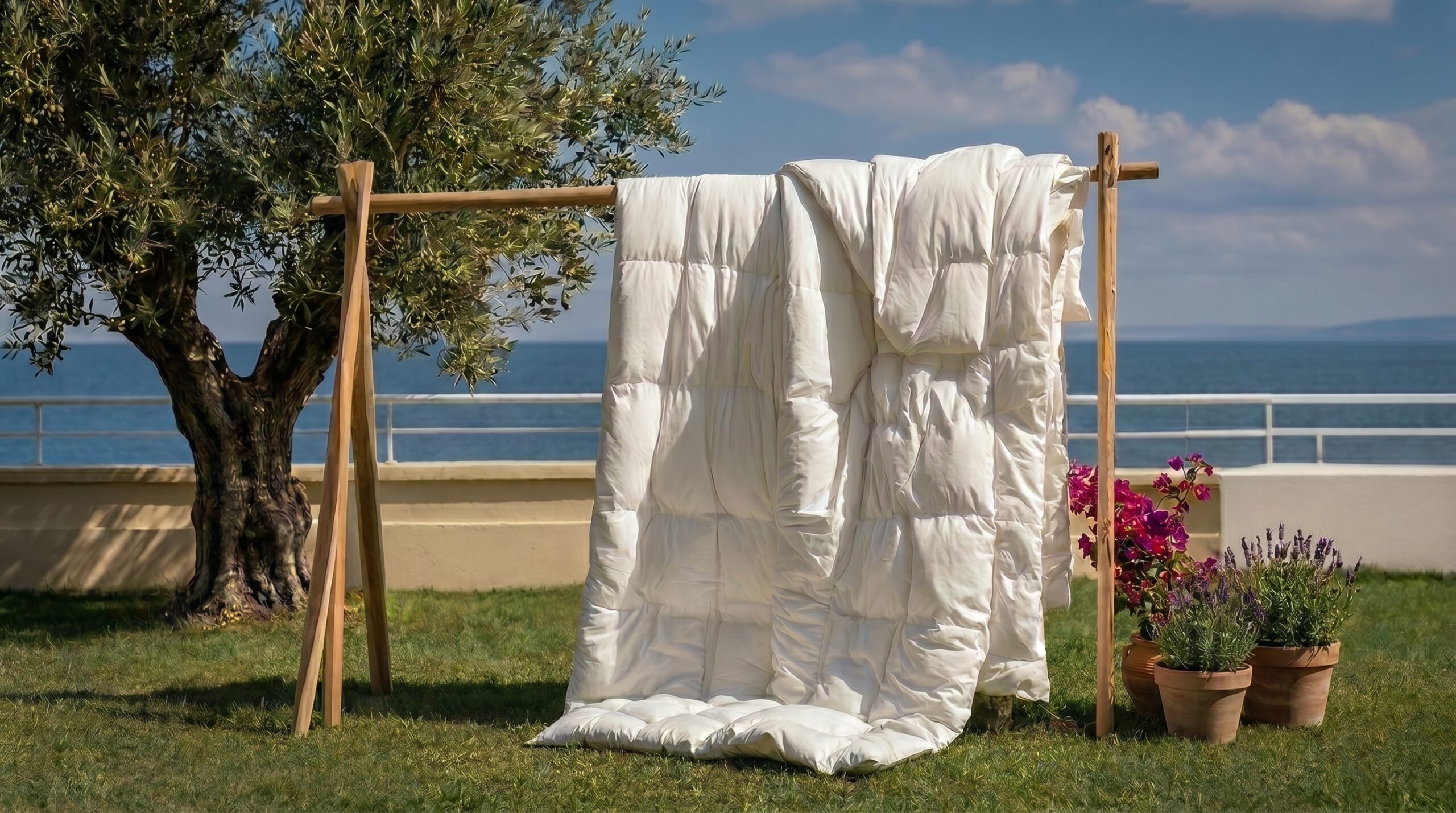
Tips I follow to maintain comforter durability:
Wash properly : I use a gentle cycle with mild detergent to protect the filling and fabric.
Dry thoroughly : I make sure it’s completely dry to prevent moisture buildup and clumping.
Use a cover : A duvet cover helps reduce direct wear and keeps it cleaner longer.
I hope this guide has helped you clearly understand how to choose a comforter based on your personal sleep style, comfort preferences, and environment. Instead of guessing or choosing only based on looks, focusing on factors like fill type, warmth level, fabric, and construction can make a real difference in your sleep quality.
The right comforter is not just about warmth, it’s about finding the right balance of breathability, comfort, and long-term durability that supports better rest every night.
If you follow these steps and match them with your personal needs, you’ll be able to understand how to choose a comforter that truly feels right for you. This approach will help you make a comfortable and well-informed decision. If you still have any doubts or questions, feel free to share them in the comments. I’ll be happy to help you further.
FAQs
What GSM comforter is best?
The ideal GSM comforter depends on sleep temperature preferences. A range of 150-250 GSM is generally suitable for lightweight, breathable comfort, while 300-500 GSM is better suited for higher warmth and insulation. Rather than a fixed number, GSM should be matched to climate conditions and personal comfort needs.
Is a heavier comforter better?
A heavier comforter is not always better. While added weight can feel cozy, excessive heaviness may trap heat and reduce breathability. Comfort is determined more by balance between warmth, airflow, and material quality rather than weight alone.
Which comforter is best for summer?
For summer use, lightweight and breathable comforters are most effective. Materials like cotton or bamboo with low GSM allow better air circulation and help prevent overheating during sleep, especially in warmer environments.
How long does a comforter last?
A good-quality comforter typically lasts around 5 to 10 years with proper care. Regular cleaning, correct drying methods, and careful handling significantly improve durability and help maintain loft and comfort over time.
Can a comforter be used without a duvet cover?
A comforter can be used without a duvet cover since it is designed as a standalone bedding layer. However, using a cover helps protect the fabric, reduces washing frequency, and extends the overall lifespan of the comforter.